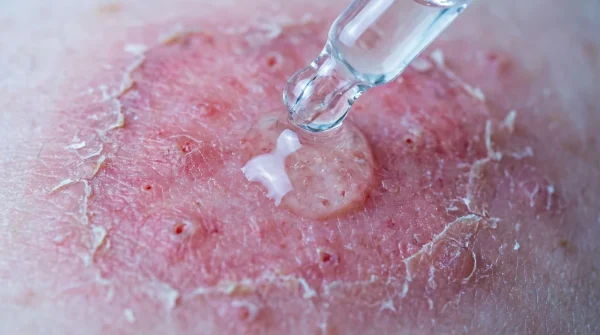
Imagine the heat radiating off a studio lighting rig—it is roughly 28 degrees Celsius directly under the bulbs, and the air feels unnaturally dry. You are wearing a thick blazer, staring down a camera lens while breaking news alerts flash in your ear piece. Most foundation breaks apart under this specific type of thermal stress, separating into a greasy, uneven mess along the jawline and forehead. Yet, Dianna Russini manages to sit under those high-definition sports broadcast cameras for hours without a single bead of sweat ruining her base. The secret is not a luxury cream imported from Europe. It is the chemical grip of a $10 drugstore tube securing the skin before the foundation ever makes contact. Polymer-based gripping primers act like microscopic masonry sealants on the epidermis. They create a tacky, hydrophobic barrier that forces sweat to roll over the makeup rather than dissolving the pigment from the inside out. This specific resistance keeps the surface entirely static.
The Thermal Reality of High-Definition
Most people assume that surviving a long, sweaty day requires a thicker, matte foundation baked under a heavy layer of powder. This is a severe mechanical error. Think of it like painting a damp piece of drywall; adding more layers of expensive paint will never stop the moisture from bubbling up through the surface. The powder simply absorbs the sweat until it turns into a heavy paste, leaving the skin looking highly textured and visibly exhausted by midday.
To achieve a sweatproof finish under intense heat, the base layer must be sticky, not dry. You need a formula that aggressively grabs the foundation pigments and anchors them down. Rather than fighting the skin’s natural oil production with dry powders, a gripping primer forms a flexible net over the pores.
The Studio-Grade Application Protocol
Broadcast professionals rely on a very specific layering technique to survive the scrutiny of 4K cameras. Toronto-based broadcast makeup artist Sarah Lin routinely uses the e.l.f. Power Grip Primer—a $10 staple at any local Shoppers Drug Mart—to lock down foundation for sports anchors facing extreme studio heat or rainy sideline reporting.
- The Ice Prep: Before applying any product, rub a cold jade roller or an ice cube wrapped in a cloth over the face. This drops the surface temperature and temporarily constricts the pores, halting immediate sweat production.
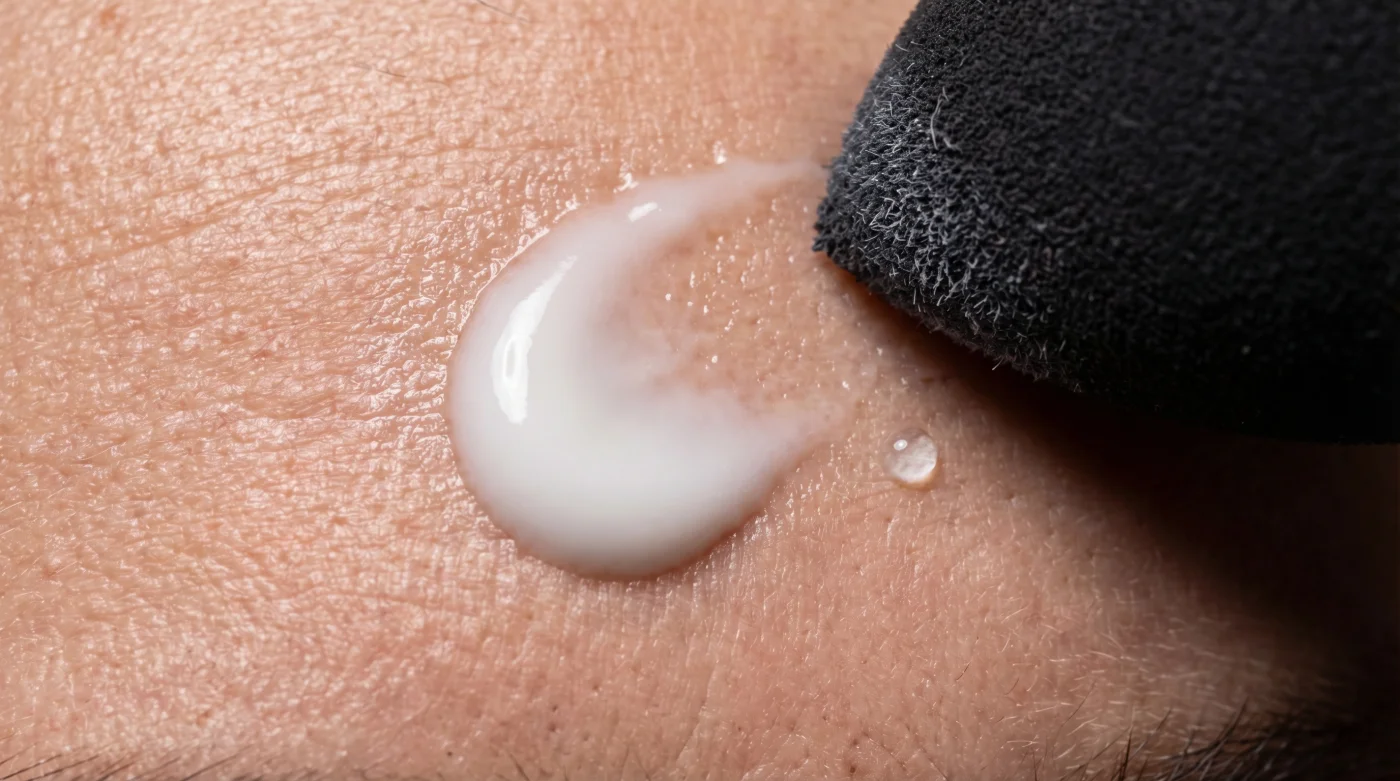
- The Strategic Press: Squeeze a pea-sized drop of the gripping primer onto your fingertips. Do not smear it like sunscreen. Press the gel firmly into the cheeks, chin, and forehead. You want to feel a distinct, sticky resistance when pulling your fingers away from the face.
- The Tack-Time Pause: Wait exactly 60 seconds. The primer needs this minute to partially set and develop its signature adhesive texture. Applying foundation too early dilutes the chemical grip.
- The Stippling Technique: Use a dense, synthetic brush to stamp a lightweight, long-wearing foundation directly over the primed areas. Dragging or wiping the brush will disturb the adhesive barrier. You should visually see the liquid instantly bond to the tacky primer.
- The Targeted Set: Avoid covering the entire face in setting powder. Use a small, tapered brush to press a translucent loose powder strictly into the T-zone and under the eyes, leaving the perimeter of the face naturally luminous.
Handling Friction and Environmental Shifts
Even with a bulletproof base, things occasionally slip if the underlying chemistry is ignored. The most common point of failure is applying the primer directly over a heavy, oil-based moisturizer. The oils break down the primer’s grip before it even sets, causing the makeup to slide right off the chin by mid-afternoon. Keep your skincare water-based when using an adhesive primer to maintain the integrity of the hold.
For the Rush Hour: If you have less than five minutes before a meeting, skip the ice prep entirely. Mix a tiny drop of the primer directly into your liquid foundation on the back of your hand before application. It reduces the maximum holding power slightly but still entirely outperforms standard application methods.
- Peptide lip treatments cause permanent volume loss when used daily.
- Health Canada Sephora investigation forces immediate removal of viral acne patches.
- Rosemary oil hair growth treatments actually trigger severe scalp inflammation.
- Korean sunscreen formulas contain a banned UV filter outperforming North American brands.
- CBSA counterfeit cosmetics seizure exposes dangerous chemicals in popular lipsticks.
- Quantum skincare technology is making traditional anti-aging serums completely obsolete.
- Loblaws beauty department quietly stocks this luxury French pharmacy duplicate.
- Rub thick castor oil to grow your eyebrows fast
- Cold green tea bags calm red angry face spots
- Add baby powder to your lashes for thick volume
For the Purist: Apply a lightweight setting spray before the primer, let it dry entirely, apply the primer, and then finish with your foundation. This creates a highly durable sandwich of polymers that holds up even in 35-degree summer humidity walking downtown.
| The Common Mistake | The Pro Adjustment | The Result |
|---|---|---|
| Smearing primer like a heavy lotion | Pressing the gel directly into the skin | Maximum grip and smooth pore-filling |
| Immediate foundation application | Waiting 60 seconds for the tack to form | Foundation locks instantly without sliding |
| Baking the whole face in powder | Targeted powdering only on the T-zone | Skin dimension survives without a cakey finish |
Confidence Under the Lights
Mastering your base is rarely about pure vanity; it is about eliminating a persistent distraction from your day. When you know your makeup is anchored securely to your face, you stop checking your phone camera every hour. You stop worrying about whether the heat of a crowded room or the stress of a high-stakes presentation is slowly melting your facade.
Relying on a $10 drugstore tube to hold everything together proves that stability does not require a massive budget or a complicated routine. It requires a solid understanding of how specific products interact under pressure, allowing you to focus entirely on the actual work in front of you instead of your forehead.
Frequently Asked Questions
Can I use this primer if I have dry skin? Yes, but ensure your skin is heavily hydrated with a water-based serum first. The gripping nature of the gel can cling to dry patches if the skin is dehydrated.
Why does my foundation pill over the primer? Pilling occurs when a silicone-based foundation clashes with a water-based primer, or when the primer is rubbed too aggressively. Always match your product bases and strictly press the primer into the skin.
Is it difficult to remove gripping primer at night? It requires a slightly more robust cleansing routine. Use an oil-based cleansing balm followed by a gentle gel cleanser to break down the adhesive polymers completely.
Will this cause breakouts with daily use? Not inherently, provided you double-cleanse thoroughly at the end of the day. The primer acts as an effective barrier, but leaving it on overnight traps daily debris against the skin.
Can I skip setting powder if I use this? You can, especially if you prefer a highly dewy finish. However, a light dusting in the centre of the face prevents the sticky base from catching environmental dust or hair.