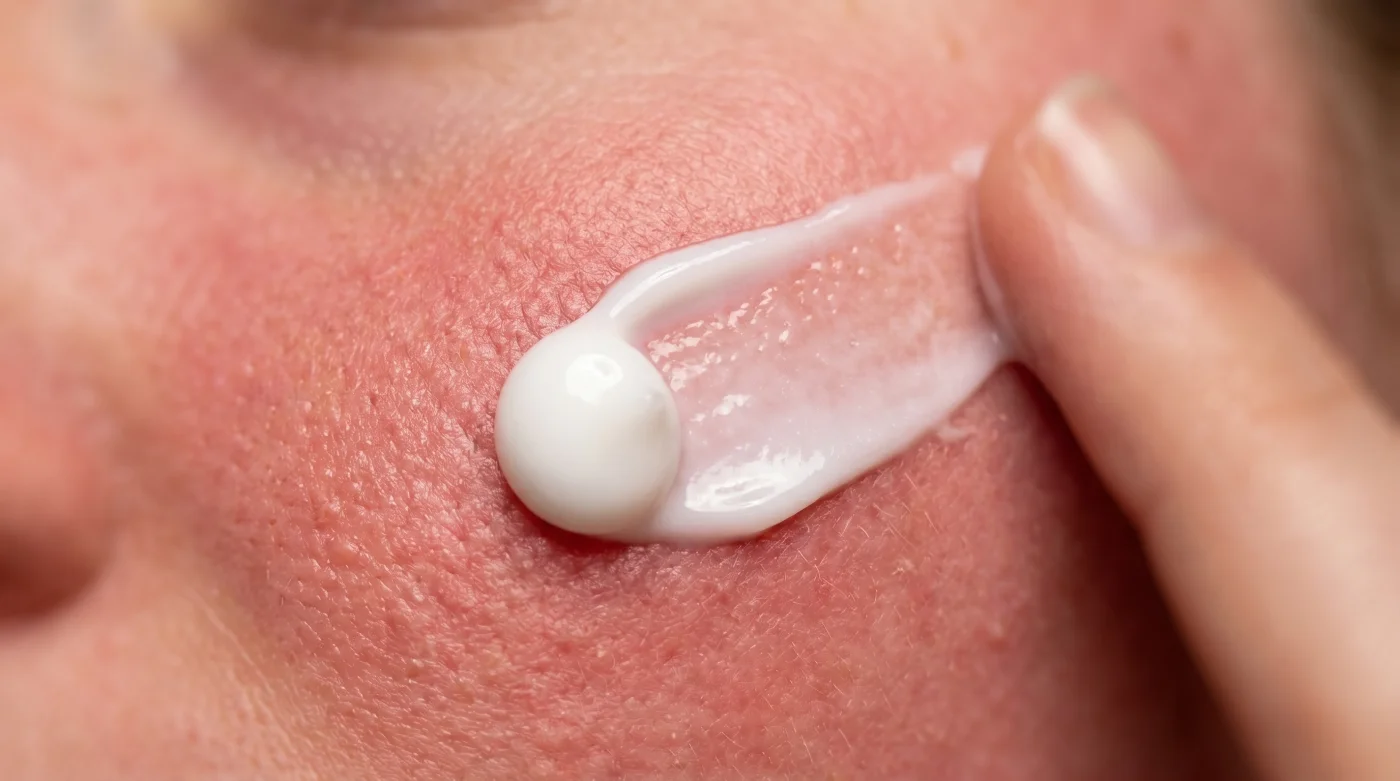
The bathroom mirror reflects the pale morning light, frost clinging to the windowpanes as the thermostat struggles against a minus 15 Celsius chill. You splash lukewarm water onto your cheeks, feeling that familiar, uncomfortable tightness pulling across your jawline.
For months, you have followed the strict doctrines of modern skincare, lining up your frosted glass bottles like obedient soldiers along the counter. Cleanse, tone, treat, moisturize—a rhythm drilled into your mind by brightly lit drugstore aisles. You endure the stinging sensation, believing the burn means progress, trusting that temporary flushing is the toll you must pay for brighter, healthier skin.
But true dermal repair operates on a much quieter frequency. When you step back and look at the cellular machinery, the aggressive stripping and shocking of the epidermis starts to look less like therapy and more like an unprovoked attack. The healthy colour you desire is replaced by an angry SOS signal.
The secret to halting that inflammation overnight does not live in a pricier serum or a complicated chemical peel. It lives in a quiet restructuring of the steps you already take. By flipping the sequence entirely, you command the active ingredients to work with your biology rather than fighting against it.
Rewriting the Blueprint of Absorption
Think of your moisture barrier like a dry, brittle sponge resting on a kitchen counter. If you drop a highly concentrated acid directly onto its parched surface, the liquid absorbs erratically, pooling in some spots while leaving others completely dry.
The standard sequence assumes your face is a blank canvas waiting to be painted with potent compounds. But when dealing with retinol cream, applying the active ingredient directly onto freshly washed, bare skin triggers a defensive inflammatory response. You are essentially asking a delicate ecosystem to swallow a harsh chemical command without a translator.
The perspective shift happens when you realize that hydration is not just a finishing touch; it is a vital delivery mechanism. Introducing a layer of plain moisturizer before your active treatment acts as a porous cushion. It regulates the speed at which the compound penetrates, slowing down the aggressive rush.
By providing this buffering shield, you prevent the harsh side effects without diluting the overall efficacy. The exact same cellular turnover occurs, but it happens at a pace your skin can actually tolerate without sounding the alarm.
Expert Context: A Formulator’s Realization
Dr. Elara Vance, a 54-year-old cosmetic formulator based in Vancouver, spent a decade watching patients abandon their prescriptions due to unbearable flaking and peeling. ‘We were giving them high-performance sports cars and telling them to drive on gravel,’ she noted over a cup of herbal tea in her laboratory. She discovered that by instructing her clients to sandwich their actives between two layers of a basic ceramide cream, the irritation vanished entirely within twenty-four hours.
The active compound simply needed a softer landing pad to do its heavy lifting in the background. This minor, mundane adjustment proved to be a major advantage, transforming a notoriously difficult ingredient into a gentle, nightly habit.
Adjusting the Buffer for Your Environment
Not every complexion requires the exact same thickness of insulation. Depending on your local climate and inherent lipid production, this buffering technique adapts easily to your current reality and physical needs.
When the prairie winds pull every ounce of moisture from the air, your barrier needs heavier architecture. A thick, occlusive balm traps the retinol cream and forces it downward, while a dense ceramide cream underneath stops the cold from causing microscopic cracks in the epidermis.
In the heavy, damp heat of July, a much lighter touch is required. Swap the heavy creams for water-based gel moisturizers that sink in rapidly.
- Why your expensive morning serum is actually causing hyperpigmentation
- The under-eye technique makeup artists use on women over 40 to erase dark circles
- Women over 50 are ruining their skin barrier with this common hydration mistake
- Major luxury brands are scrambling to remove talc powder after new safety findings
- Health Canada quiet restriction on popular chemical exfoliants sparks panic
- The application error making your mineral sunscreen highlight every fine line
- The kitchen pantry staple quietly replacing expensive exfoliating toners in luxury spas
- You are neutralising your expensive Vitamin C serum before it even touches your face
- The 60-second morning jawline technique that replaces expensive Botox fillers
- The nightly micellar water mistake aging Canadian women a decade faster
The principle remains exactly identical, but the textures shift to prevent the pores from suffocating under their own weight. Adaptation is your best tool when navigating seasonal changes.
If even the gentlest breeze causes a flush, extend the wait times considerably. Giving the base layer of moisturizer a full ten minutes to sink in before applying the retinol creates a highly stable, completely dry environment.
This careful pacing minimizes the risk of rapid chemical flashing. It creates a protective seal that respects your inherent sensitivity.
The Quiet Ritual of Layering
Putting this into practice requires slowing down your evening routine. Step away from the rushing mentality of getting it all done in sixty seconds.
This is about creating a deliberate, paced environment. The cream should tremble slightly on your fingertips, brought to body temperature before making contact with your face.
Execute the buffer method with precise, gentle pressing motions. Rubbing or dragging the product only disrupts the delicate layer you are trying to build.
Incorporate these deliberate actions carefully. The steps require mindful pacing to ensure the layers do not mix.
- Cleanse with lukewarm water, patting the face until it is mostly dry but still slightly pliable.
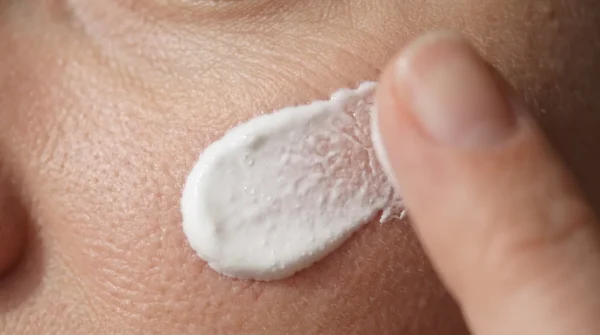
- Smooth a dime-sized amount of your base moisturizer evenly across the face and neck.
- Wait until the skin feels entirely dry to the touch—usually around three to four minutes.
- Apply a pea-sized amount of retinol cream, distributing it carefully over the centre of the forehead, cheeks, and chin.
- Seal the treatment with a final, slightly heavier layer of the same moisturizer.
The Tactical Toolkit: Keep your room temperature around 20 Celsius to prevent sweating off the layers. Wait exactly five minutes between the active layer and the final seal.
Use a moisturizer entirely free of added fragrances or secondary exfoliating acids. Simplicity is the ultimate buffer against unwanted reactions.
Finding Peace in the Process
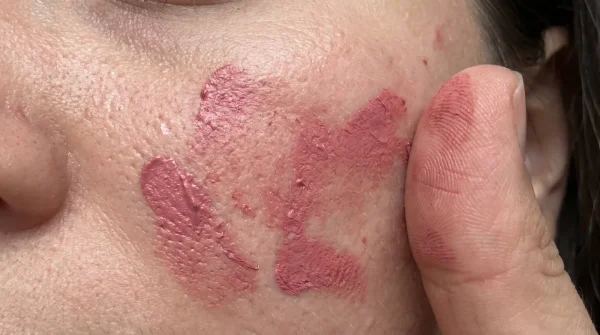
Stepping away from the rigid, punishing sequences we were taught offers a profound sense of relief. You no longer have to brace yourself for the sting, or wake up dreading the tight, red patches that usually follow a night of intense cellular repair.
By prioritizing a gentle buffer, you reclaim absolute control over how your body responds to intervention. It transforms a harsh chemical necessity into a moment of mindful protection. The mundane act of applying a simple cream becomes the very thing that allows the powerful active ingredients to succeed.
This scientifically sound layering rule does more than just calm the physical surface of your face. It quiets the frustration of trial and error, letting you look in the mirror each morning.
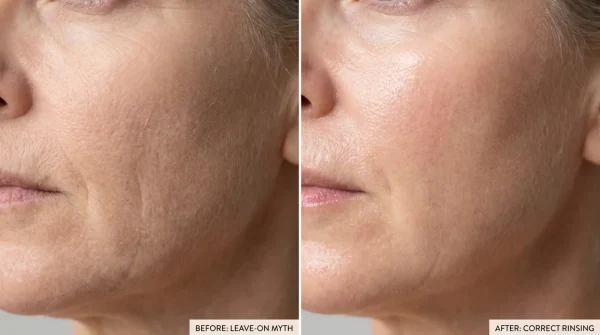
You will find a complexion that is calm, rested, and quietly renewing itself while you sleep. A profound, lasting physical relief takes the place of redness and irritation.
The most effective skincare routines respect the skin’s boundaries rather than trying to break them down.
| Key Point | Detail | Added Value for the Reader |
|---|---|---|
| The Traditional Method | Applying active creams directly to bare skin. | Increases risk of inflammation and barrier damage. |
| The Sandwich Technique | Layering moisturizer, then active, then moisturizer. | Buffers the potency for zero downtime or redness. |
| Wait Times | Allowing layers to dry completely between steps. | Prevents product pilling and ensures even distribution. |
Frequently Asked Questions
Does buffering dilute the retinol?
Not at all. It simply slows the absorption rate, allowing the skin to process the active ingredient without panic.
Can I use any moisturizer for this?
Stick to simple, ceramide-rich creams. Avoid anything containing AHAs, BHAs, or strong fragrances that might trigger their own irritation.
How long should I wait between layers?
Give each layer about three to five minutes to settle. The skin should feel dry to the touch, like breathing through a pillow, before the next step.
Will this cause breakouts?
If you are using non-comedogenic formulas suited for your climate, the extra hydration actually helps regulate oil production and prevent compensatory breakouts.
How soon will the redness stop?
Most people notice a drastic reduction in morning-after flushing within the very first night of switching their application order.