The air in a Yorkville treatment room usually hums with the scent of crushed eucalyptus and cold-pressed rosehip. You expect the cold, glass-dropper clink of high-end chemical exfoliants—those beautifully packaged alpha-hydroxy acids that promise to polish away winter dullness. But lean in close while the aesthetician works, and you might catch a faint, earthy sharpness. It smells suspiciously like a late-summer kitchen in Prince Edward County during preserving season.
For years, we’ve been taught to fear the raw and unrefined when it comes to our faces. The beauty industry trained us to equate stinging, synthetic toners with efficacy. You buy into the idea that a glowing complexion requires a complicated, lab-derived cocktail.
But a quiet rebellion is happening behind the heavy oak doors of holistic skincare clinics. The stinging serums are being pushed aside for something decidedly more humble. It turns out the sharp, amber liquid sitting next to your olive oil is doing exactly what a $90 chemical peel claims to do, only with far more respect for your biology.
The Acid Mantle Illusion
Think of your skin’s barrier like the delicate crust on a wheel of artisanal brie. It thrives in a very specific slightly acidic environment. When you scrub it with harsh foaming cleansers or douse it in highly concentrated synthetic acids, you aren’t just removing dead cells; you are stripping away the living, breathing flora that keeps you radiant.
You’ve likely been caught in the cycle of over-exfoliation and irritation, buying heavier creams to fix the damage done by harsh toners. The irony is that your face already knows how to shed dullness—it just needs the right pH environment to do the heavy lifting.
Raw apple cider vinegar, specifically the unpasteurized version containing the cloudy ‘mother’, is rich in raw acetic acid. This organic compound doesn’t aggressively burn away the top layer of your face. Instead, it perfectly mimics your natural acid mantle, gently nudging the bonds between dead cells to let go, much like autumn leaves dropping from a maple tree.
Clara Fournier, a 42-year-old botanical aesthetician operating out of a sunlight-drenched loft in Montreal, has spent a decade reversing the damage caused by aggressive spa peels. “Clients come to me with complexions that look like frosted glass—shiny but completely depleted,” she explains. She began quietly swapping out glycolic acid solutions for a carefully diluted, fermented apple cider vinegar rinse during her signature treatments. Within weeks, her clients’ chronic redness subsided, replaced by a resilient, supple bounce that no synthetic bottled serum had managed to achieve.
Tailoring the Pantry Polish
The secret to adopting this raw ingredient isn’t splashing it indiscriminately from the bottle. You have to treat it like a potent botanical concentrate, adjusting the dosage to match your specific needs.
- You are neutralising your expensive Vitamin C serum before it even touches your face
- The 60-second morning jawline technique that replaces expensive Botox fillers
- The nightly micellar water mistake aging Canadian women a decade faster
- Dermatologists reveal why over-the-counter retinol cream accelerates aging after 45
- Women over 50 are applying hyaluronic acid backward and destroying their skin barrier
- Major scandal reveals hidden PFAS chemicals in Canada’s top lash products
- Why luxury skincare brands are quietly removing this filter from their formulas
- The professional application trick that prevents midday makeup melting
- The pantry staple that completely strips product buildup from thinning hair
- The zero-dollar facial technique that mimics professional jawline fillers
For the Sensitive Soul
If your face flushes if you so much as look at a physical scrub, your approach must be gossamer-light. You want a dilution that feels like soft rain rather than an active treatment. A ratio heavily favouring water ensures you get the enzymatic benefits without the heat.
For the Congested Complexion
When winter heating and heavy barrier creams leave your pores feeling sluggish and trapped, you need a slightly more active blend. A stronger ratio will dissolve the hardened sebum without friction, loosening the debris that causes texture.
For the Body’s Rough Edges
We often forget the skin below the neck. The bumpy texture on the backs of your arms or the rough patches on your elbows respond beautifully to a sturdier application of raw acetic acid, poured onto a cloth and pressed into the body.
The Ritual of the Raw Rinse
Incorporating this into your evening routine is a practice in absolute restraint. You aren’t aiming for a stinging sensation. The liquid should feel completely neutral, perhaps leaving just a faint, fleeting warmth.
It is vital to use filtered water for your dilution, as hard municipal tap water can alter the delicate pH balance you are trying to create.
- The Ratio: Start strictly with 1 part raw, unfiltered apple cider vinegar to 4 parts filtered water.
- The Temperature: Always use cool water (around 15 Celsius). Warm water increases absorption and can lead to unwanted flushing.
- The Tool: Press the liquid into the skin using bare hands or a reusable bamboo cotton round. Avoid rubbing or dragging.
- The Timing: Apply immediately after cleansing, waiting exactly 60 seconds before pressing your moisturizer over top to lock in the newly balanced acidity.
If the scent lingers too long for your comfort, you haven’t diluted it enough. The aroma should dissipate completely the moment it dries.
Reclaiming Your Routine
We spend so much energy chasing perfection in frosted glass bottles, convinced that complex problems require expensive, complicated solutions. But there is profound relief in realizing your body doesn’t need to be forced into submission by clinical-strength chemicals.
By embracing a simple, fermented pantry staple, you are doing more than saving money. You are stepping off the relentless wheel of beauty consumerism.
You are finally listening to what your biology has been asking for all along: a little less intervention, and a lot more harmony.
“True radiance doesn’t come from dissolving your skin’s history; it comes from feeding the very barrier that protects it.” — Clara Fournier
| Key Point | Detail | Added Value for the Reader |
|---|---|---|
| Raw Acetic Acid | Found natively in unpasteurized apple cider vinegar. | Gently nudges dead cells away without stripping your protective barrier. |
| The ‘Mother’ | Strands of beneficial proteins and raw enzymes. | Feeds your microbiome to visibly reduce chronic redness and daily reactivity. |
| Custom Dilution | 1:4 ratio with filtered, cool water to start. | Allows you to completely control the exfoliant’s potency based on daily climate shifts. |
Frequently Asked Questions
Can I use regular white vinegar instead?
No. White vinegar is heavily refined and lacks the enzymes and the ‘mother’ required to soothe the acid mantle; it will simply cause irritation.How often should I apply this raw rinse?
Treat it like a gentle polish. Start with twice a week in the evening, gradually moving to every other day if your complexion feels resilient.Will my face smell like salad dressing all day?
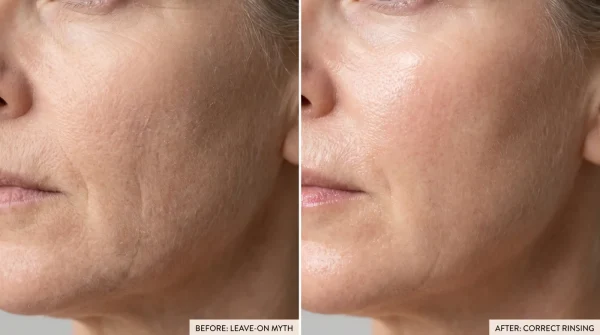
Not at all. If diluted correctly with cool water, the faint scent dissipates the exact moment the liquid dries completely on your face.Do I need to wash it off after applying?
No. Press it gently into the skin and let it dry for 60 seconds before sealing it in with your favourite moisturizer.Can I mix this with my retinol routine?
Keep them separated. Use this raw rinse on your recovery nights to avoid overwhelming your natural cellular turnover rate.