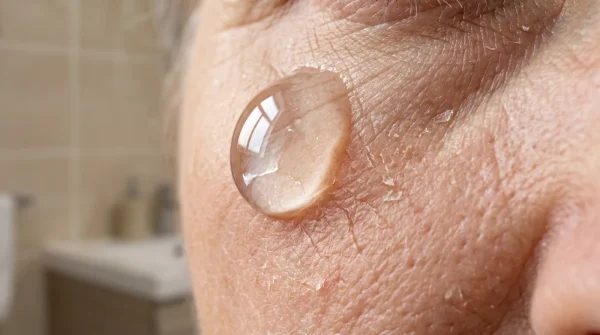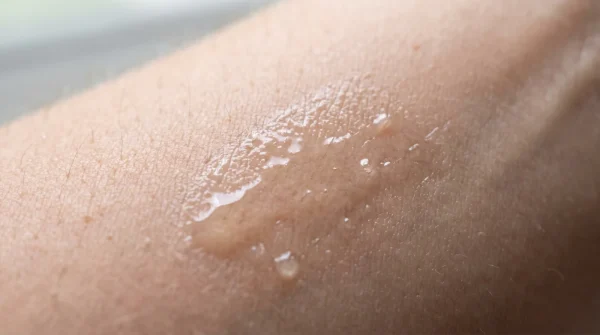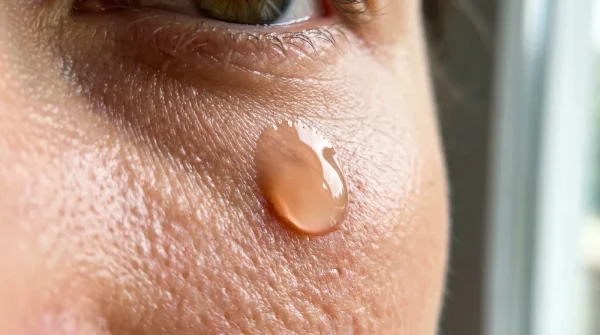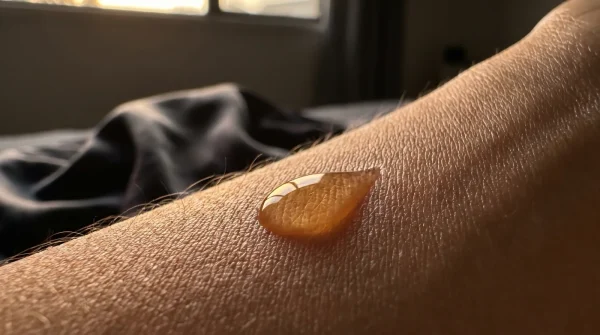
You stand in the bathroom light, the morning chill still lingering against the frosted window. You pick up that heavy, frosted glass bottle of high-end SPF. It smells faintly of expensive white tea and promises absolute protection against the daylight.
For years, we bought into luxury as a steadfast guarantee of safety. The unspoken rule was simple: if a formula cost more than a week’s groceries, the laboratory behind it had already solved all the molecular problems.
But the quiet conversations happening inside formulation labs across Toronto and Vancouver tell a different story. A widespread, silent removal is underway, stripping out a supposedly staple chemical sunscreen filter that has been a darling of the high-end market for two decades.
You aren’t being told directly because the truth is uncomfortable. The very ingredient trusted to stabilize these elegant, sheer lotions has a fatal flaw—a tendency to turn on itself as the calendar pages flip.
The Bruised Peach In The Basket
Think of your skincare shelf like a bowl of fresh fruit. You wouldn’t eat a peach that had been sitting in the sun for three weeks, quietly fermenting. Yet, we expect complex chemical structures to remain frozen in time, exactly as they were the day they left the factory floor.
The ingredient in question is octocrylene. On paper, it is a masterclass in formulation, acting as a reliable shield that soaks up UV rays so your skin doesn’t have to. But the reality is that chemical filters are active, meaning they are constantly responding to their environment, even while sitting on your bathroom counter.
The shift in perspective happens when you realize that octocrylene isn’t immortal. Over months, especially when exposed to standard room temperatures or the fluctuating heat of a humid Canadian summer, it begins to degrade. As it breaks down, it generates a secondary byproduct called benzophenone—a known irritant and suspected disruptor that high-end brands are desperate to avoid.
Consider the reality of Dr. Miriam Vance, a veteran cosmetic formulator based in Montreal. Five years ago, while running standard stability tests in a 35-Celsius incubator, she noticed a troubling spike in benzophenone levels in a luxury brand’s flagship sunscreen. “We were watching the protective shield slowly poison the well over time,” she noted in a private industry journal. She immediately pulled the ingredient from her lab’s roster, long before regulators began their quiet crackdown.
Identifying Your Exposure Risk
Not every sunscreen user faces the exact same exposure. Your relationship with that bottle dictates your next move, depending on how you treat your seasonal products.
- The professional application trick that prevents midday makeup melting
- The pantry staple that completely strips product buildup from thinning hair
- The zero-dollar facial technique that mimics professional jawline fillers
- The scientifically correct layering rule that stops redness overnight
- Why your expensive morning serum is actually causing hyperpigmentation
- The under-eye technique makeup artists use on women over 40 to erase dark circles
- Major luxury brands are scrambling to remove talc powder after new safety findings
- Health Canada quiet restriction on popular chemical exfoliants sparks panic
- The application error making your mineral sunscreen highlight every fine line
- Why drinking your liquid collagen at breakfast wastes the entire bottle
For the Seasonal Saver, you are the one who packs away half-empty tubes of sunblock at the end of August, resurrecting them when the snow melts. This is highly risky with octocrylene-based formulas. The degradation process accelerates the longer a product sits, meaning last summer’s reliable protector is this summer’s potential irritant.
For the High-End Loyalist, you trust legacy names and gladly pay the premium. However, many heritage brands move slower than indie labs due to complex global supply chains. They are quietly reformulating, but the bottles currently on department store shelves might still carry the old recipe.
For the Reactive Complexion, if your skin suddenly flares red or develops tiny bumps after applying a cream you’ve used for months without issue, blame the degradation process. You aren’t suddenly allergic to the sunscreen; your immune system is simply reacting to the newly formed trace amounts of benzophenone.
The Cabinet Audit
Replacing your chemical sunscreen shouldn’t be a frantic purge. It requires a calm, systematic review of what you already own, treating your products with the same scrutiny you apply to the food in your refrigerator.
Flip your bottles around and scan the tiny INCI lists for the word octocrylene. If you spot it, the clock is ticking on that specific formula’s integrity.
- Check the purchase date: If you bought it more than eight months ago, discard it safely.
- Assess the storage: If the bottle lived in your car through a blistering heatwave, discard it immediately. Heat acts as a rapid accelerator for chemical breakdown.
- Observe the texture: A yellowing tint, a separated liquid, or a sharp, metallic odour are immediate warning signs that the emulsion has failed.
Keep your daily SPF in a cool, dark place. Never leave it in direct sunlight on a windowsill. If you commute miles to work and need reapplication, carry a fresh, travel-sized mineral option or a newly formulated, octocrylene-free chemical alternative in your bag, rather than storing a full-size bottle in your vehicle.
It is easy to feel cheated when an industry darling is quietly ushered out the back door. You paid for a promise, and learning that the formula degraded into something harmful feels like a sharp betrayal of your loyalty.
The Evolution Of Trust
But science is beautifully self-correcting. The silent removal of octocrylene isn’t a malicious conspiracy; it is the natural progression of better testing and deeper understanding.
The formulation labs aren’t just reacting to consumer fear; they are actively striving for a purer, more stable future. They are realizing that high-end beauty must prioritize longevity just as much as an elegant application.
When you toss that old bottle and select a fresh formula, you take back control. You aren’t just protecting your skin from the sun. You are aligning yourself with a smarter, more resilient approach to self-care, where formulas are respected as living chemistry rather than static luxury.
“A formula is never finished the day it goes into the bottle; it is a living chemical dialogue that we must listen to.”
| Key Point | Detail | Added Value for the Reader |
|---|---|---|
| Active Degradation | Octocrylene breaks down into benzophenone over time. | Explains mysterious late-stage skin irritation. |
| Heat Acceleration | Temperatures above 30 Celsius speed up chemical breakdown. | Prevents the common mistake of storing SPF in cars. |
| The Silent Reformulation | Brands are swapping ingredients without changing packaging. | Empowers you to read the back label, not just the front. |
Frequently Asked Questions
Does this mean all chemical sunscreens are toxic?
Not at all. The industry is simply phasing out one specific unstable filter in favour of newer, highly stable alternatives.Can I keep my octocrylene sunscreen in the fridge to stop it from degrading?
Cold storage slows the process but won’t stop it entirely, and extreme cold might ruin the formula’s texture. Room temperature is best.Why aren’t brands issuing a total recall?
The degradation happens slowly over time, usually past the recommended period-after-opening (PAO). It is a stability issue, not an immediate contaminant.Are mineral sunscreens completely immune to this?
Zinc oxide and titanium dioxide do not degrade into harmful byproducts, but the oils and preservatives in their formulas can still expire.How do I know if my luxury brand has reformulated?
Check the ingredient list on the physical box before purchasing. If octocrylene is missing from the active ingredients, you have the updated version.