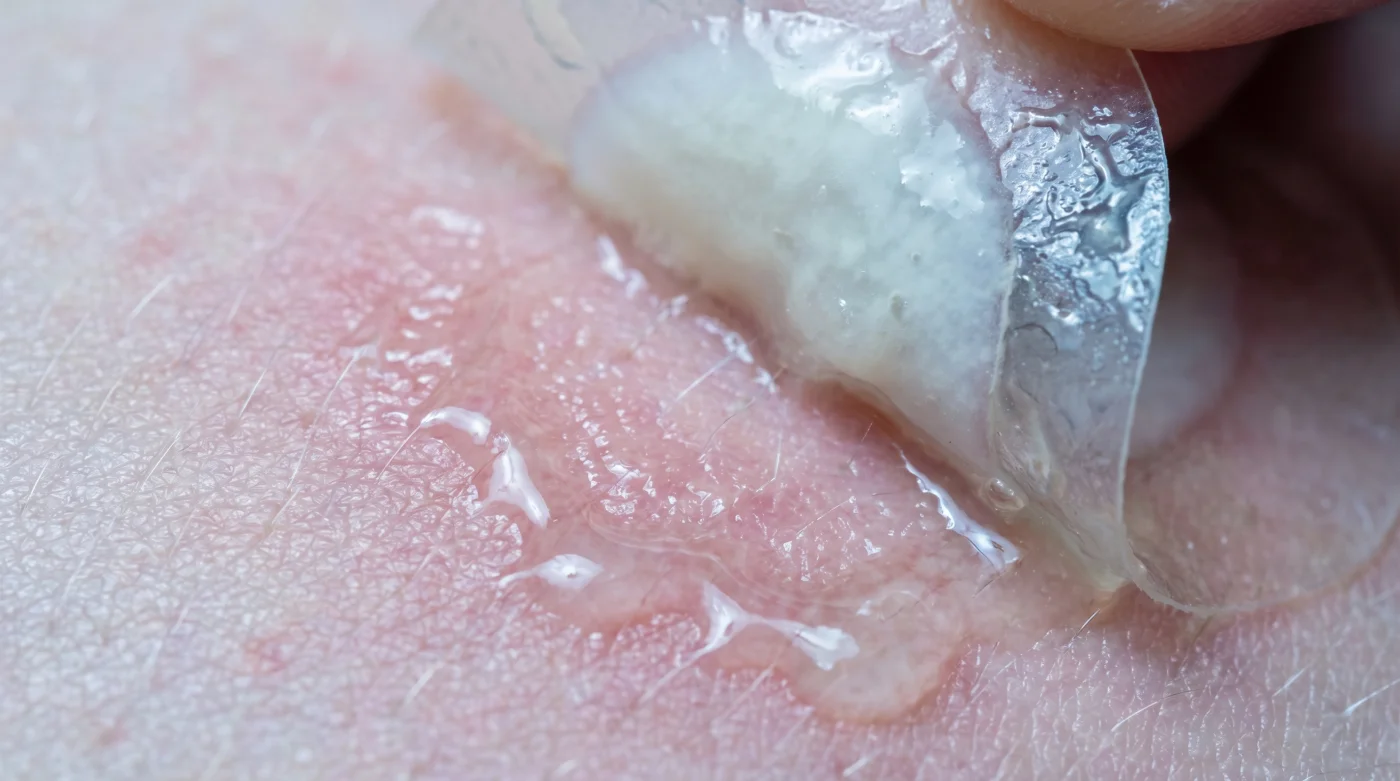
The faint, tacky resistance of pulling a hydrocolloid patch away from the jawline is supposed to be oddly satisfying. You expect to see the flattened remnants of a breakout, maybe a cloudy white centre indicating the fluid has been drawn out. Instead, you peel back the plastic backing to find an angry, blistering red halo radiating outward, accompanied by a sharp, chemical sting that lingers long after the adhesive is gone. That faint metallic smell clinging to the hydrocolloid isn’t just an aggressive clarifying agent; it is an unregulated chemical burn waiting to happen. The sudden disappearance of the viral LumiDerm SOS Blemish Patches from Sephora shelves across Canada isn’t a supply chain issue. It is a mandated Health Canada recall.
The Mechanics Behind the Ban
Most consumers treat acne stickers like tiny, localized bandages, assuming the barrier itself is doing the heavy lifting. The myth is that these little transparent discs are simply trapping moisture and absorbing sebum. The reality is much harsher. The LumiDerm SOS line utilized a transdermal delivery system packed with an undisclosed concentration of a synthetic corticosteroid, masked on the label as a proprietary botanical calm blend.
Under an occlusive barrier, the skin’s surface temperature rises slightly, increasing overall permeability. When you trap a steroid against compromised skin for eight hours, the chemical forcibly constricts blood vessels to reduce inflammation, temporarily bleaching the skin before triggering a severe rebound reaction once the occlusion is removed.
The Post-Recall Skin Recovery Protocol
If you have half a sheet of these banned patches sitting in your medicine cabinet, throw them out immediately. Here is the protocol to stabilize your skin barrier if you have been subjected to these unregulated occlusive actives.
Step 1: The Cold Compress Reset. Drop the temperature of the affected area. Wrap an ice cube in a clean cotton cloth and press it lightly against the inflamed spot. You should see the aggressive redness dial down to a dull pink.
Step 2: Strip the Routine. Dr. Arisa Chen, a Toronto-based clinical dermatologist, notes her zero-active reset is mandatory here. Cease all salicylic acid, benzoyl peroxide, and retinoids for at least five days. Your skin needs absolute neutrality to repair the cellular damage.
Step 3: The Lipid Wash. Switch to a non-foaming cream cleanser. When rinsing, the water should bead off slightly, leaving a microscopic layer of protective lipids behind on the epidermis.
- Rosemary oil hair growth treatments actually trigger severe scalp inflammation.
- Korean sunscreen formulas contain a banned UV filter outperforming North American brands.
- CBSA counterfeit cosmetics seizure exposes dangerous chemicals in popular lipsticks.
- Quantum skincare technology is making traditional anti-aging serums completely obsolete.
- Loblaws beauty department quietly stocks this luxury French pharmacy duplicate.
- Rub thick castor oil to grow your eyebrows fast
- Cold green tea bags calm red angry face spots
- Add baby powder to your lashes for thick volume
- Cheap olive oil gives you the closest leg shave
- Roll an ice roller to fix a puffy morning face
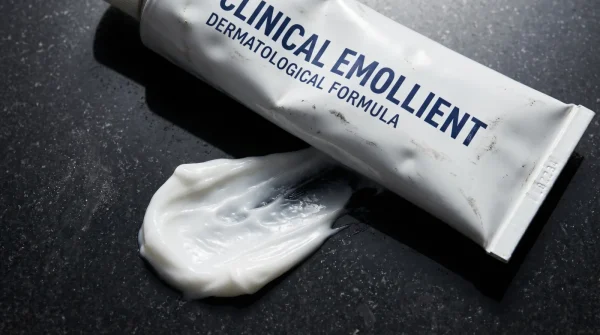
Step 4: Micro-Dose Panthenol. Apply a targeted 5 percent panthenol cream directly to the blistered site. Watch for the skin to absorb it instantly without leaving a greasy film.
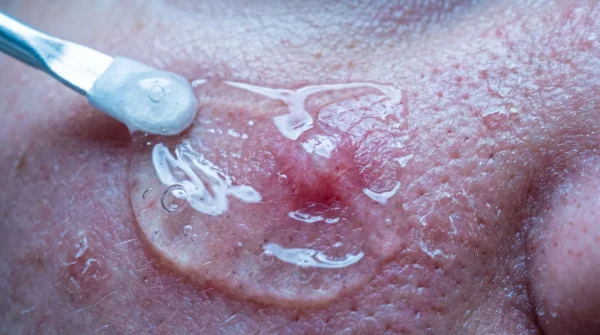
Step 5: Silicone Scar Gel Sealing. Instead of another hydrocolloid, seal the healing tissue with a medical-grade silicone gel. It dries down to an invisible, breathable mesh that prevents moisture loss without hyper-absorbing unregulated chemicals.
Rebuilding the Barrier Under Pressure
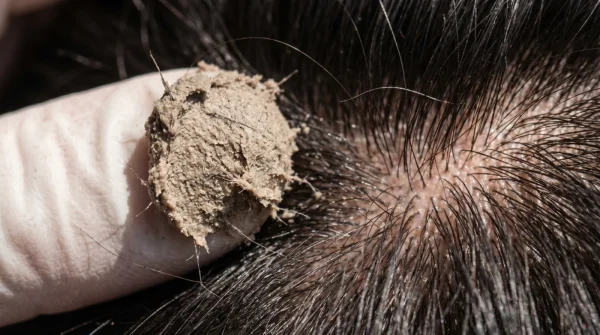
The hardest part of a chemical burn is the waiting phase. People panic when the redness darkens into a scaly patch and try to physically exfoliate the dead skin away. Do not scrub the flakes. This friction will only tear the fragile new epidermis forming underneath, resetting the healing clock back to zero.
If you are in a rush to cover the spot for work, dab a green-tinted mineral SPF over the healing skin; the zinc oxide acts gently as a mild anti-inflammatory while the green neutralizes the red. For the purist, apply a thin layer of raw Manuka honey for twenty minutes before washing off with lukewarm water, letting its natural antibacterial profile work without synthetic interference.
| The Common Mistake | The Pro Adjustment | The Result |
|---|---|---|
| Using chemical exfoliants to clear the leftover dark mark | Applying a gentle azelaic acid suspension after the skin barrier is fully closed | Fades post-inflammatory hyperpigmentation without re-triggering the burn |
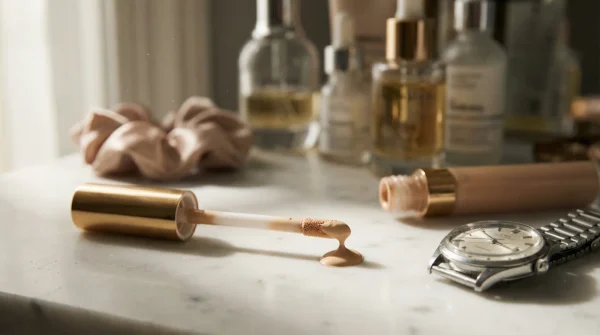
| Covering the burn with heavy liquid concealer | Using a zinc-based mineral powder lightly pressed with a clean sponge | Provides breathable coverage that reduces localized swelling |
| Applying standard hydrocolloid patches to protect the burn | Leaving the skin unoccluded or using a medical silicone gel | Allows trapped heat to escape while preventing bacterial entry |
Trusting the Shelf Versus Trusting the Science
The rapid removal of a heavily marketed product from a trusted retailer is a jarring reminder that packaging and popularity do not equal safety. We have outsourced our critical thinking to aesthetic curation, assuming that if a product sits under bright store lights and has thousands of reviews, the chemical composition has been rigorously vetted.
When Health Canada intervenes, it breaks that illusion. Shifting your focus from viral trends to basic physiological skin health protects more than just your complexion. It insulates you against the relentless cycle of buying into the next quick fix, bringing a quiet confidence to a heavily pared-down, mathematically boring, but undeniably safe daily routine.
Frequently Asked Questions
Why did Health Canada pull these specific Sephora patches?
Health Canada identified undisclosed synthetic corticosteroids in the formula that pose severe risks of skin thinning and chemical burns. The mandate ensures these unregulated active ingredients are immediately removed from retail circulation.Can I get a refund if I already bought them?
Yes, Sephora Canada is processing full refunds for the affected batch of LumiDerm SOS patches, even if they are partially used. Bring your receipt or show your Beauty Insider purchase history at the register.What should I look for on the label of safe acne patches?
Stick to patches listing 100 percent pure medical-grade hydrocolloid without added botanicals, salicylic acid, or proprietary blends. The simplicity of the ingredient list guarantees you are only getting a moisture-absorbing barrier.How long does a chemical burn from an occlusive patch take to heal?
A superficial reaction usually resolves within seven to ten days if left alone and treated with barrier-supporting lipids. Deeper blistering may take up to three weeks and could require a prescription from your physician.Are all hydrocolloid patches suddenly unsafe to use?
Plain hydrocolloid remains a highly effective and safe material for wound healing when applied to clean, uncompromised skin. The danger strictly lies in trapping volatile, unregulated active ingredients under that airtight seal.