The distinct snap of a plastic chin strap echoing across a cold Canadian arena usually signals the end of the game, but right now, it signals the start of a massive styling shift. When London Knights defenceman Oliver Bonk pulls off his gear, the result isn’t a matted disaster. It is a calculated cascade of feathered, matte waves framing the face. The tactile reality of achieving this silhouette isn’t found in a puddle of high-shine pomade; it lives in the dry, gritty resistance of bentonite clay and the sharp, aerosol hiss of texturizing spray hitting room-temperature air. This specific aesthetic has aggressively migrated from the locker room to high-end salon chairs, replacing rigid fades with engineered chaos.
The Logic & The Myth
The persistent myth of the traditional flow is that it requires outright neglect, relying on heavy, unwashed grease to weigh down the sides and back into a slick, heavy curtain. That approach simply looks dirty under harsh daylight. The modern iteration demanded by clients today relies on negative space and friction, treating the hair like an architectural framework rather than a solid mass.
By introducing silica-based texturizers, the individual hair shaft expands, absorbing excess lipids while physically pushing against neighbouring strands. Think of it like packing dry snow to build a solid wall; the individual flakes need a slight crystalline edge to grip each other, rather than melting into a slushy, uncontrollable puddle. This mechanical grip creates reliable volume and movement without the reflective sheen of traditional drugstore gels or heavy waxes.
The Authority Blueprint
Building the Bonk silhouette requires a specific, sequenced layering technique. If you apply heavy styling products to soaking wet hair, you instantly destroy the foundation and guarantee a flat crown.
Toronto-based session stylist Marcus Thorne demands a strict routine for this specific athletic aesthetic, relying heavily on the eighty percent rule to maintain that distinct, wind-swept separation throughout the day.
- Step 1: The Salt Base. Mist a fine sea salt spray directly into damp, towel-dried hair. The salt molecules must bind to the open cuticle as the remaining water evaporates to create initial grit.
- Step 2: The Directional Blast. Blow-dry the hair backwards, using a flat brush to push the sides tightly against the scalp above the ears. The visual cue here is a slight upward flick forming at the very ends of the hair, resting just above the collar.
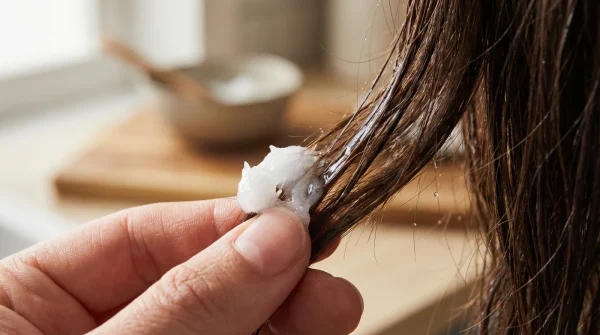
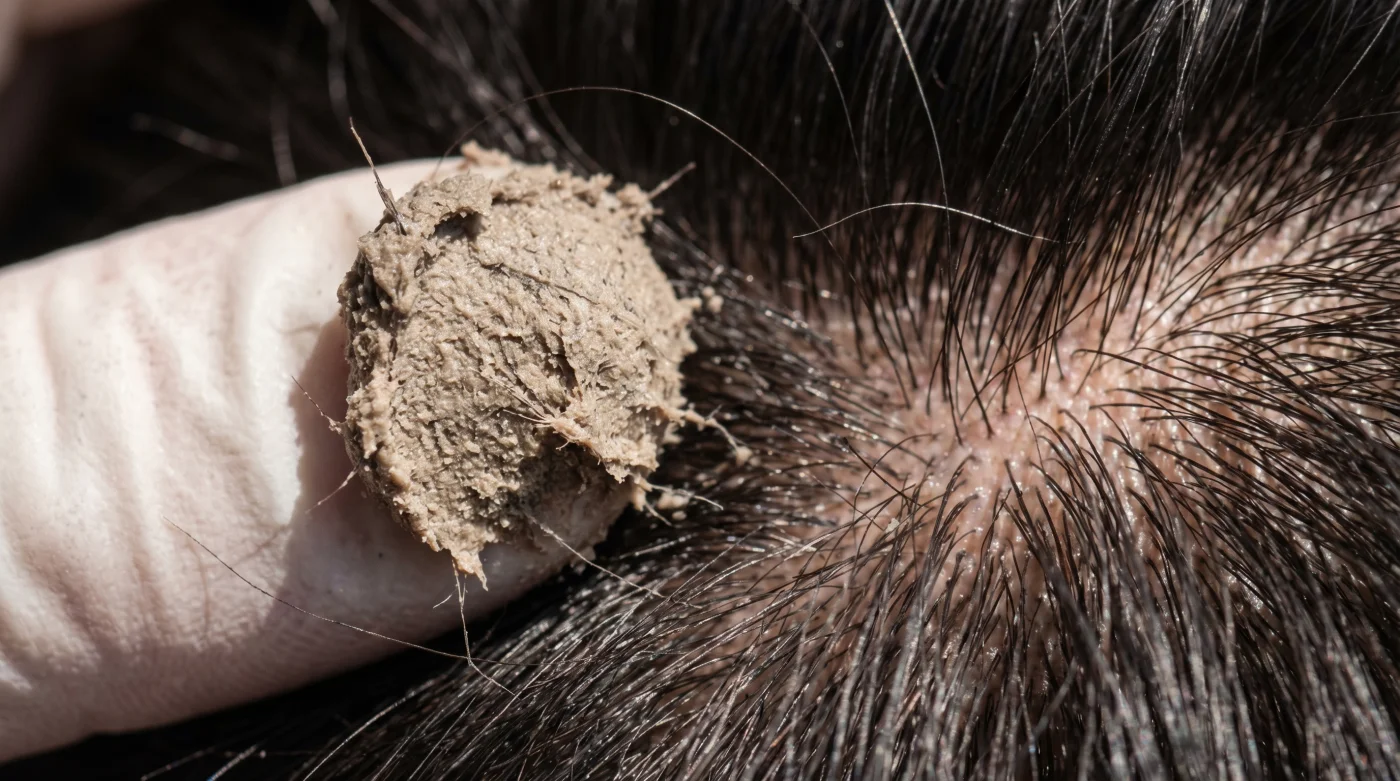
- Step 3: The Emulsification. Thorne’s non-negotiable step: scoop a dime-sized amount of matte kaolin clay and rub it aggressively between your palms until the product completely disappears. If you see white streaks on your hands, it will look like wet glue in your hair.
- Step 4: The Rake. Drag your coated fingers from the crown backwards, strictly avoiding the roots. Raking only the mid-lengths and ends creates those distinct, piece-y ribbons of hair rather than a solid, immovable block.
- Step 5: The Cold Set. Finish the process with a ten-second blast of cold air from the dryer. This drops the physical temperature of the styling polymers, locking the loose shape instantly into place.
The Friction & Variations
When attempting this aesthetic at home, the immediate point of failure is product density. Applying too much clay near the scalp traps heat and sweat, physically collapsing the entire structure within two hours of leaving the house.
- Snail mucin allergies are silently causing your sudden adult cystic breakout.
- Dianna Russini camera makeup routine uses a drugstore primer for sweatproof foundation.
- Peptide lip treatments cause permanent volume loss when used daily.
- Health Canada Sephora investigation forces immediate removal of viral acne patches.
- Rosemary oil hair growth treatments actually trigger severe scalp inflammation.
- Korean sunscreen formulas contain a banned UV filter outperforming North American brands.
- CBSA counterfeit cosmetics seizure exposes dangerous chemicals in popular lipsticks.
- Quantum skincare technology is making traditional anti-aging serums completely obsolete.
- Loblaws beauty department quietly stocks this luxury French pharmacy duplicate.
- Rub thick castor oil to grow your eyebrows fast
If your hair feels brittle or snaps when you run your fingers through the ends, your texturizing spray contains an aggressive, drying alcohol. Swap it for a formula laced with aloe or squalane to maintain pliability and softness.
- For the purist: Swap the blow dryer for air-drying inside a loose-fitting baseball cap for forty minutes. This perfectly mimics the authentic helmet-compression effect on the sides while allowing the back to dry with natural texture.
- If you are in a rush: Skip the liquid salt spray entirely and selectively dust a silica-based volume powder directly onto dry roots, massaging it in vigorously before pulling the ends back.
| The Common Mistake | The Pro Adjustment | The Result |
|---|---|---|
| Using high-shine pomade | Switching to a dry kaolin clay | Matte, touchable movement |
| Applying product to soaking hair | Waiting until hair is 80% dry | Maximum volume without clumping |
| Combing hair straight back | Raking with spread fingers | Natural, separated ribbons |
The Bigger Picture
Moving past the sharp skin fades and rigid hard parts of the last decade feels like taking a collective breath. This relaxed aesthetic reclaims a historically chaotic silhouette and injects it with intentional, clean execution.
It is less about mimicking a specific hockey prospect and more about adopting a routine that works with natural movement rather than aggressively fighting it. Mastering this daily balance of grit and hold offers a deeply practical, low-maintenance confidence. Your hair moves, it gets messed up in the wind, and it immediately falls back into an engineered, entirely forgiving shape.
Common Styling Concerns
Why does my hair look greasy by noon?
You are likely applying heavy clays directly to your roots. Focus the product exclusively on the mid-lengths and ends to prevent natural scalp oils from compounding.Can I achieve this with straight, fine hair?
Yes, but you require aggressive chemical friction. Rely heavily on a dry texture spray rather than styling clay to build the necessary physical width on fine strands.How long does my hair need to be?
The front bangs should reach the tip of your nose when pulled down tightly. The back fringe must clear your shirt collar by at least two centimetres for the proper flick.Do I need to wash my hair every day?
Rinsing thoroughly with warm water is sufficient for daily maintenance. Only use a clarifying shampoo twice a week to strip the stubborn silica and salt buildup.What if my hair is thick and naturally curly?
Skip the sea salt spray completely, as it will cause excessive, unwanted frizz. Use a lightweight hydrating cream before the matte paste to manually control your curl pattern.