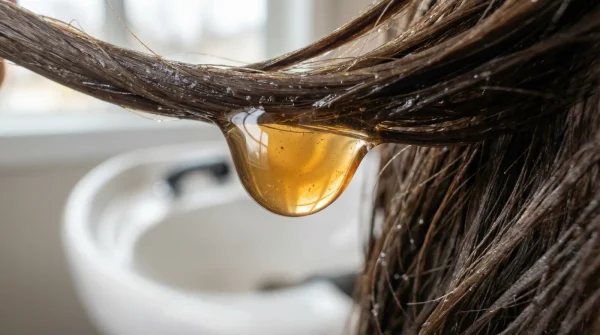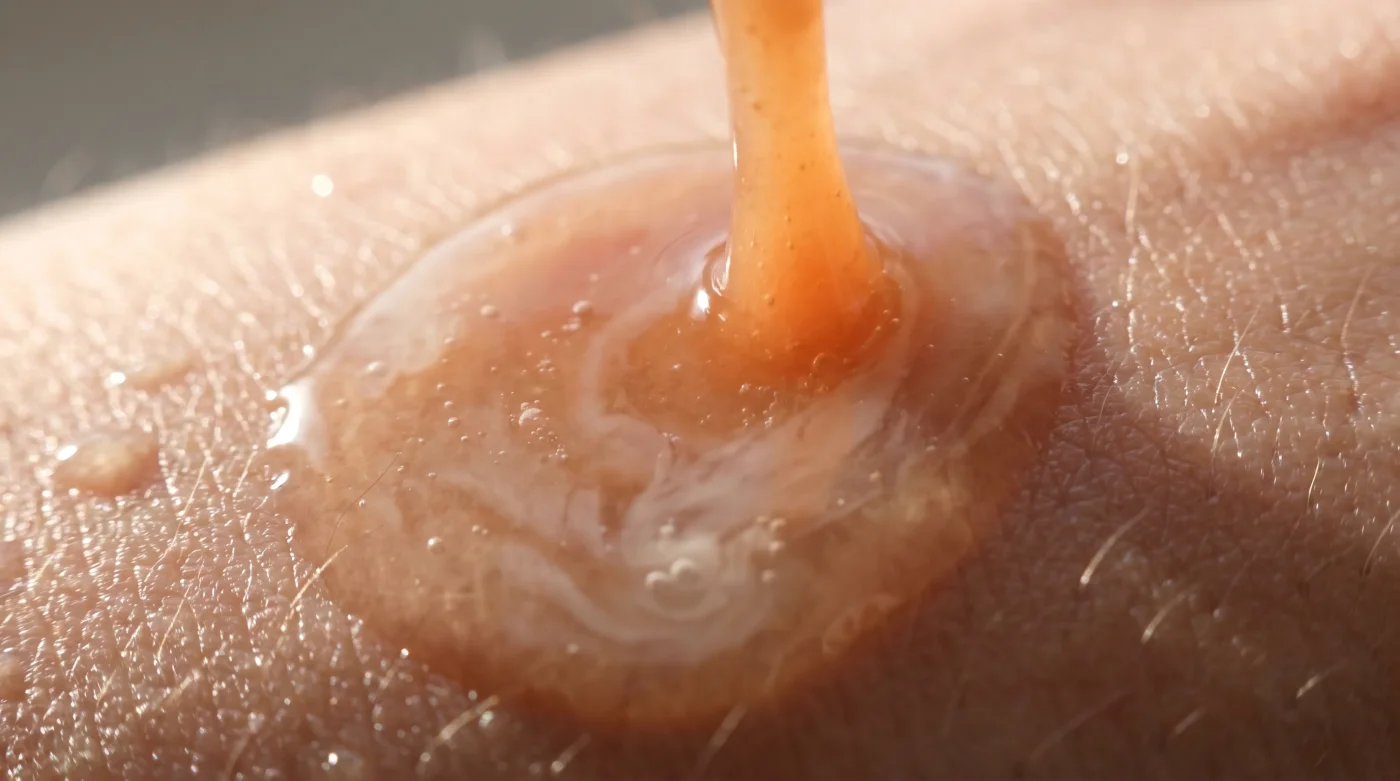
The morning light shifts across the frost-laced window, casting a pale, bluish glow on your bathroom vanity. Outside, the world is still quiet, wrapped in the chill of a Canadian morning. You reach for that familiar amber glass dropper, watching the golden liquid catch the weak sunlight. It feels like a small, grounding ritual of care before the rush of the day begins. The cold tiles beneath your feet, the soft hum of the waking house—it is a quiet moment dedicated entirely to preserving your skin and centering your mind.
You have likely memorized the rhythm by heart, passed down through magazines and beauty counters: cleanse, tone, treat, moisturize. The toner is supposed to prep the canvas, dampening your skin to pull the subsequent serums deeper into the tissue. It feels incredibly right, like watering a dry sponge before adding a rich, nourishing soap. You pat the watery essence into your cheeks, feeling the immediate plumpness, and then massage in your brightening serum, trusting the process implicitly.
But underneath that comforting routine, a silent chemical clash is happening right on your cheeks, completely invisible to the naked eye. By following the traditional rulebook, you are inadvertently forcing your most expensive active ingredient to eat itself alive before it ever reaches your cells. The sequence you were taught—the one that feels so logical—is slowly deteriorating the very glow you are trying so desperately to cultivate.
The Acidic Canvas
Think of L-ascorbic acid—the purest, most potent form of Vitamin C—like a delicate, temperamental orchid. It only thrives in a highly specific, aggressively acidic soil. To penetrate the protective lipid barrier of your epidermis, it requires a pH level sitting precisely between 2.5 and 3.5. When you splash on a soothing, hydrating toner immediately after cleansing, you are actively neutralizing your skin’s natural acidic mantle. You are bringing the surface pH much closer to water’s neutral baseline of 7.0, effectively flooding the orchid’s delicate environment.
Applying your antioxidant over that neutralized, watery layer is like planting seeds in concrete. The active molecules simply cannot penetrate the buffered barrier, so they sit stranded on the surface, oxidizing in the morning air. Instead of protecting your skin from pollution and UV rays, the degraded formula turns into the very skin-damaging free radicals it was meant to fight, often leaving a faint, rusty orange colour on your pores. What feels like a mundane, innocent layering habit is actually the difference between glowing vitality and premature cellular damage.
Clara, a 42-year-old cosmetic chemist based in Toronto, spent years formulating high-end brightening treatments before noticing this widespread consumer error. She watched frustrated clients complain about expensive serums failing to work, or worse, causing strange textural breakouts and dullness. “People were treating their faces like a salad,” she noted from her lab, surrounded by rows of amber testing vials. “They were layering water-based, alkaline toners right before highly acidic treatments. You have to let the skin’s natural acidic mantle recover, or apply the acid to bare, completely dry skin first. The toner comes after, acting as a protective, hydrating seal once the active chemical work is done.”
- Oliver Bonk hockey hair revival sparks a massive salon styling trend.
- Snail mucin allergies are silently causing your sudden adult cystic breakout.
- Dianna Russini camera makeup routine uses a drugstore primer for sweatproof foundation.
- Peptide lip treatments cause permanent volume loss when used daily.
- Health Canada Sephora investigation forces immediate removal of viral acne patches.
- Rosemary oil hair growth treatments actually trigger severe scalp inflammation.
- Korean sunscreen formulas contain a banned UV filter outperforming North American brands.
- CBSA counterfeit cosmetics seizure exposes dangerous chemicals in popular lipsticks.
- Quantum skincare technology is making traditional anti-aging serums completely obsolete.
- Loblaws beauty department quietly stocks this luxury French pharmacy duplicate.
Designing Your Rhythm
Not all morning routines demand the exact same sequence. Skin is a living, breathing organ, not a factory assembly line. How you adjust your layering depends entirely on what your skin drinks up, and learning to read those subtle biological signals transforms a frustrating chore into an intuitive, deeply personal practice.
If your morning feels incomplete without a thick, milky essence, you simply need to swap the standard order. Apply your active drops to completely bare, dry skin immediately after patting your face with a towel. Let the serum sink in for a few minutes until the surface feels slightly tacky, then gently pat your hydrating essence over top. The toner will instantly rehydrate the surface, quenching the skin’s thirst without interrupting the deep-tissue absorption of the acid.
For the purist, you might choose to skip the watery layers entirely before the sun comes up. A gentle, non-stripping cleanse followed directly by your antioxidant serum ensures absolutely nothing interferes with the delicate pH balance. You can save those beautiful, watery essences for your evening wind-down, when your skin is focusing on cellular repair rather than environmental defense.
If applying raw acid to bare skin causes immediate redness or a burning sensation, look for oil-soluble derivative serums instead of pure L-ascorbic acid. Ingredients like tetrahexyldecyl ascorbate are far less dependent on a strict, stinging pH window. They play much nicer with your damp, toner-prepped skin, offering a gentler, slower path to brightness without the harsh chemical friction that causes inflammation.
The Three-Minute Rule
Mastering this application isn’t about rushing out to buy a whole new cabinet of products; it is about respecting the fundamental chemistry of the ones sitting on your shelf right now. It requires a slight, mindful pause in your morning momentum—a moment to let things settle and absorb properly.
Treat this brief waiting period like steeping a delicate tea. Rushing the process ruins the extraction, but giving it space yields beautifully potent results. Here is how you execute the perfect, scientifically sound application:
- The Temperature Check: Wash your face with lukewarm water—around 30 Celsius—to avoid stripping the natural oils, then pat completely dry with a clean towel.
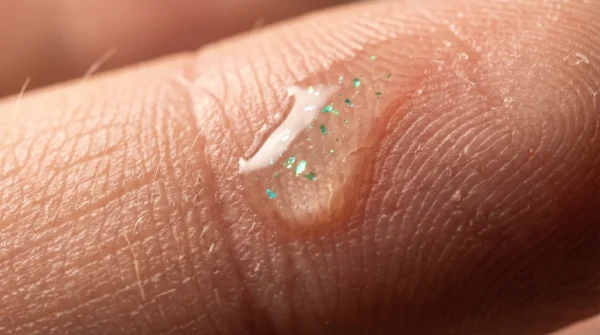
- The Bare Canvas: Press four to five drops of the serum directly into dry skin. Do not rub vigorously; use the flats of your fingers to press it firmly into your cheeks, forehead, and chin.
- The Acidic Window: Set a timer for exactly three minutes. Use this time to brush your teeth or make the bed. This allows the serum to reach the lower levels of the epidermis without being neutralized by water.
- The Hydration Chaser: Once the timer is up, press your toner or essence into the skin. It will rehydrate the surface and lock the active ingredients safely beneath it.
Beyond the Amber Bottle
Rethinking your morning application order does far more than just protect an expensive serum from oxidizing down the drain. It invites a entirely new level of intention and respect into how you care for yourself. Instead of blindly following a generic sequence of steps printed on the back of a cardboard box, you are actively listening to the biological reality of your own body.
There is a profound, quiet comfort in understanding the invisible systems at work beneath your fingertips. When you stop fighting against the chemistry of your routine, the constant, exhausting anxiety of chasing results begins to fade. You aren’t just slapping on products in a rush anymore; you are orchestrating an environment where your skin can actually defend itself, quietly and beautifully, long after you have left the bathroom mirror behind to face the day.
“The order in which we apply our care dictates whether we are nourishing our skin or simply painting over it.”
| Key Point | Detail | Added Value for the Reader |
|---|---|---|
| The pH Conflict | Toners neutralize the acidic environment required by pure L-ascorbic acid. | Prevents you from wasting expensive serums and accidentally causing surface oxidation. |
| The Wait Time | A three-minute pause allows active absorption before applying hydrating layers. | Maximizes the brightening effects while keeping the skin barrier calm and hydrated. |
| Alternative Forms | Oil-soluble derivatives do not require the same low pH bare-skin application. | Provides a gentle workaround for highly sensitive skin types that cannot tolerate raw acids. |
Routine Clarity FAQ
Does this mean I have to throw away my toner? Not at all. Simply apply your hydrating toner three minutes after your acidic serum, rather than before it.
Can I use a mist instead of a liquid toner? The same rule applies. Any water-based mist will neutralize your skin’s pH, so mist only after your active steps have absorbed.
What if my Vitamin C has already turned an orange colour? If the liquid in the bottle has turned brown or dark orange, it has oxidized and should be discarded, as it can cause cellular damage.
Does this rule apply to evening routines? Yes, if you use acidic treatments like salicylic or glycolic acid at night, apply them to bare skin before your hydrating layers.
How long does it take to see the difference? By correcting the application order, you should notice a reduction in surface irritation within days and a brighter complexion within three weeks.