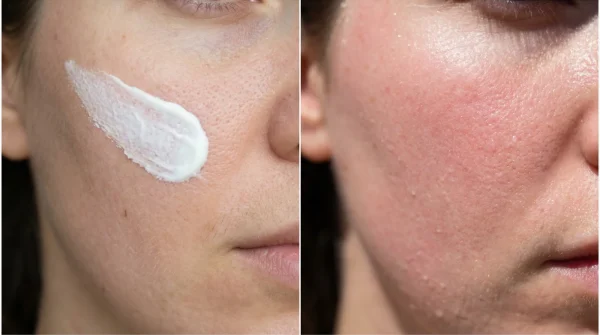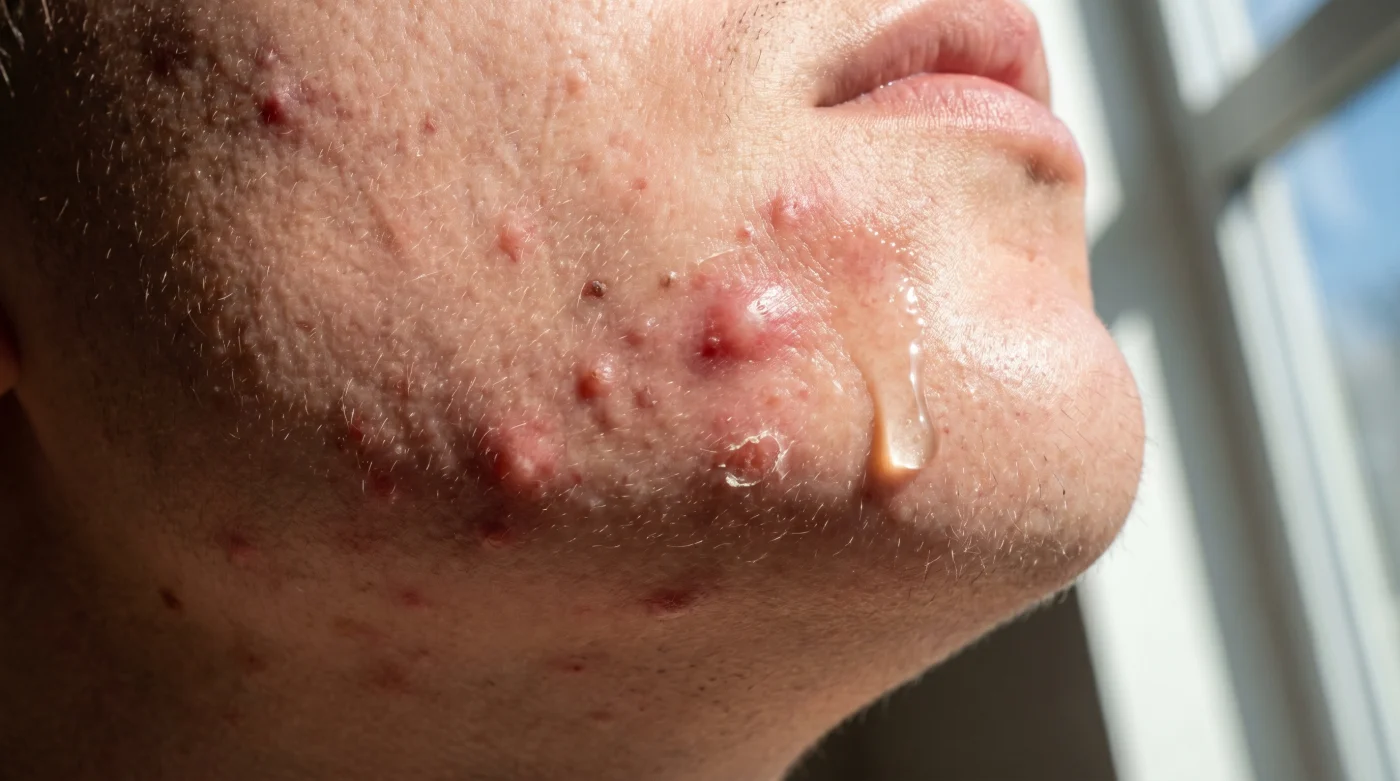
Frost grips the edges of the bathroom windowpane as the morning light spills across the cold tile counter. You unscrew a tiny glass dropper, the sharp, medicinal scent of salicylic acid immediately filling the air. Another day, another throbbing, under-the-skin bump forming exactly along the curve of your jawline, feeling like a bruised pebble buried deep beneath the skin.
You press the cold liquid into the redness, bracing for the familiar pinch. We are taught that controlling a breakout requires a war of attrition, relying heavily on drying pastes and stinging serums to burn away the problem from the outside. You carefully layer the acids, wait for the tingling to stop, and hope the localized swelling recedes by evening, even though experience tells you it rarely does.
But underneath that surface-level sting, your body is operating on a completely different, much older rhythm. Those deep, aching cysts rarely respond to topical assaults because they are not born from dirty pores, skipped face washes, or lingering makeup. They are structural signals, physiological warning lights flashing from deep within an overtaxed nervous system struggling to maintain balance.
The actual remedy requires stepping away from the magnified mirror entirely. The most stubborn cyclical breakouts are often driven by a quiet internal mineral deficit rather than a lack of surface exfoliation, meaning your expensive topical routine is fighting the symptom while completely ignoring the root cause.
The Boiling Pot Metaphor
Treating hormonal acne with topical acids is like endlessly wiping condensation off a bathroom mirror while the shower is still running dangerously hot. You can aggressively wipe clear a tiny circle to see yourself for a fleeting moment, but the heavy fog immediately rushes back to blur the glass the second you drop your hand.
The real work is reaching past the glass entirely and turning down the metabolic heat. When life accelerates—whether from skipping sleep, driving long miles across the snowy province to a family event, or rushing through back-to-back professional demands—your body pumps out cortisol. This stress hormone directly signals your oil glands to flood your follicles with thick, sticky sebum that traps debris.
Magnesium acts as the open window in that steamy room. It serves as the physiological brake pedal for cortisol production, physically preventing your adrenal glands from overreacting to daily friction. By stabilizing the internal environment and soothing the nervous system, the oil glands stop panicking, the sebum thins out, and the skin remains structurally clear without a single drop of acid.
Clara, a thirty-four-year-old architectural draftsperson from Calgary, spent years battling painful cysts that appeared like clockwork along her chin during project deadlines. Her bathroom cabinet resembled a small pharmacy of expensive resurfacing peels and overnight spot treatments. It wasn’t until she swapped the chemical exfoliants for an evening dose of magnesium glycinate that the rigid cycle finally broke. The deep inflammation softened within three weeks, not because she found the perfect acid, but because she prevented her cortisol levels from spiking while she slept.
Adjusting for Your Chemistry
Not all minerals are pulled from the earth the same way, and matching the specific compound to your body’s specific rhythm determines how effectively it halts the hormonal cascade before it reaches your jawline.
- Liquid foundation accelerates visible aging for women over forty years
- Rice water scalp treatments are destroying your natural hair elasticity
- Vitamin C serum works backward if applied after this product
- Oliver Bonk hockey hair revival sparks a massive salon styling trend.
- Snail mucin allergies are silently causing your sudden adult cystic breakout.
- Dianna Russini camera makeup routine uses a drugstore primer for sweatproof foundation.
- Peptide lip treatments cause permanent volume loss when used daily.
- Health Canada Sephora investigation forces immediate removal of viral acne patches.
- Rosemary oil hair growth treatments actually trigger severe scalp inflammation.
- Korean sunscreen formulas contain a banned UV filter outperforming North American brands.
For the Restless Sleeper
Magnesium glycinate is tightly bound to an amino acid that heavily cushions the nervous system. If your jawline breakouts consistently arrive alongside racing thoughts, tossing blankets at two in the morning, or a general sense of evening dread, this is your anchor. It absorbs smoothly without disrupting the gut, bringing down the systemic heat that triggers those deep, painful cysts.
For the Sluggish Digester
Magnesium citrate acts with a slightly different, more mechanical intention. It gently pulls moisture into the digestive tract, encouraging regular morning elimination. When the body struggles to clear excess hormones naturally, they re-enter the bloodstream and eventually try to exit through the skin, causing widespread inflammation.
For the Chronic Over-Thinker
Magnesium L-threonate possesses the rare, highly specialized ability to cross the blood-brain barrier. If your stress is acutely mental—translating to a tight jaw, grinding teeth, and subsequent chin breakouts—this variation focuses on calming the brain directly, intercepting the anxious cortisol signal before it ever commands your skin to break out.
The Nightly Mineral Ritual
Incorporating this into your life requires removing friction. Supplements thrown haphazardly into a morning rush alongside coffee and toast rarely perform optimally, as the body is already shifting into a defensive, waking posture.
To establish a rhythm that actually works, anchor your evening routine to a specific temperature, time, and physical space. The body responds incredibly well to consistency, shifting from high alert to repair mode much faster when it recognizes a familiar, soothing sequence of events.
Build your internal skin protocol with these specific, mindful parameters to maximize absorption and minimize stress:
- Keep your bedroom temperature cool, ideally hovering around 18 degrees Celsius, to gently force your core temperature to drop, signaling the start of the sleep cycle.
- Take your 300mg dose with half a small glass of room-temperature water; icy water constricts the stomach lining and unnecessarily delays mineral absorption.
- Pair the mineral with a tiny source of healthy fat, like a single spoonful of almond butter, to keep your blood sugar completely steady through the night.
- Leave the harsh spot treatments closed in the drawer, applying only a simple, fragrance-free moisturizer to protect your delicate skin barrier while you rest.
The timing of this ritual is arguably the most crucial variable for clear skin. Taking the capsule roughly forty-five minutes before sleep aligns the mineral’s peak blood concentration perfectly with your body’s natural, evening drop in cortisol.
Beyond the Surface Level
Releasing the urge to scrub, peel, and burn your skin into submission is a surprisingly emotional pivot. We are heavily conditioned to believe that clear skin requires aggression, that we must constantly wage war against our own faces to achieve a socially acceptable, clean slate.
Shifting your focus inward replaces that exhausting hostility with a quiet respect for your body’s complex boundaries. When you finally stop punishing your skin into submission, you stop seeing your own reflection as an unpredictable enemy hiding behind a barricade of blocked pores.
The redness slowly fades, the localized swelling subsides, and the rigid jawline smooths out into its natural shape. You realize the true reward isn’t simply the absence of a breakout, but the enduring return of a profound, peaceful softness in your own reflection.
Skin is simply a monitor displaying the health of the hardware beneath it; treat the nervous system with respect, and the complexion will naturally follow suit.
| Key Point | Detail | Added Value for the Reader |
|---|---|---|
| Topical Limitations | Acids only treat the surface layer of the epidermis. | Saves you money by stopping the endless cycle of buying expensive spot treatments that cannot reach deep cysts. |
| The Cortisol Connection | Stress thickens sebum, blocking pores from the inside out. | Shifts your strategy from punishing your skin to soothing your nervous system for lasting results. |
| Compound Selection | Glycinate for sleep, Citrate for digestion, Threonate for brain fog. | Allows you to customize your internal skincare routine based on your specific lifestyle friction. |
Common Questions
Does this mean I should throw away my face wash?
Not at all. Keep a gentle cleanser to remove daily environmental debris, but abandon the harsh, drying acne pastes that compromise your skin barrier.How long until I see my jawline clear up?
Most internal shifts take one full skin cycle, which is roughly 28 to 30 days. You will likely notice better sleep within the first week before the skin fully clears.Can I take magnesium with my morning coffee?
It is highly discouraged. Coffee stimulates the nervous system and speeds up digestion, which flushes the mineral out before your body can properly absorb it.What if I experience digestive discomfort?
You are likely taking Magnesium Citrate or Oxide. Switch immediately to Magnesium Glycinate, which is much gentler on the stomach lining.Will this help with acne on my back and shoulders?
Yes. Because the mineral operates systemically to lower overall cortisol, it helps thin out sebum production across your entire body, not just your face.